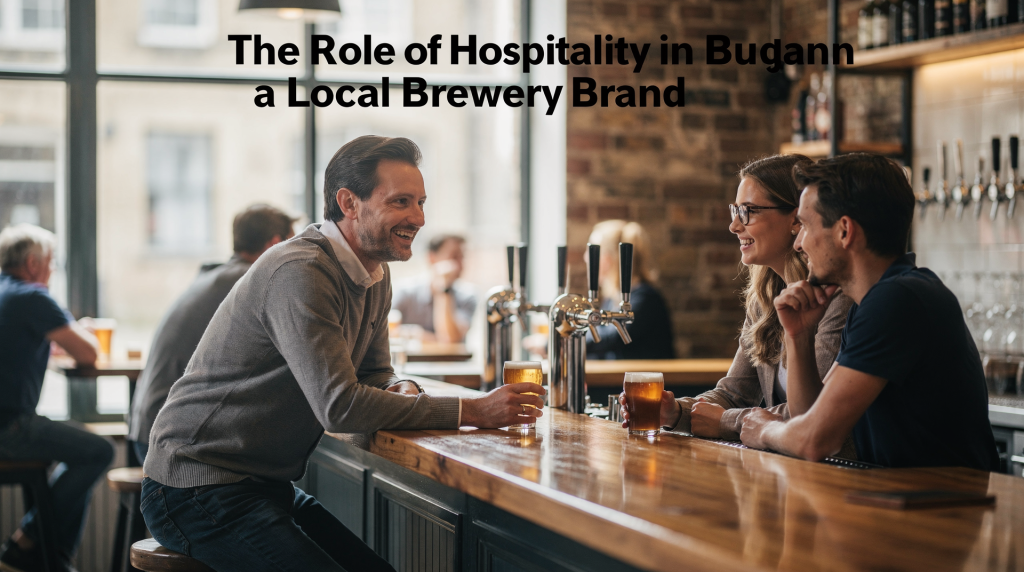
A local brewery brand is rarely built by beer alone. The taproom experience, staff behavior, layout, and sense of welcome shape whether guests become regulars, recommend you to friends, and remember your brewery as part of the neighborhood. Over years of operating a brewpub, I learned that even flawless beer can’t save a space that fights against hospitality. The right location, a layout that supports flow, and lease terms that let you create the right atmosphere are the foundation on which brand loyalty is built.
Hospitality is not a soft add-on for breweries. It is the operating system behind repeat visits, stronger word of mouth, and a brand people feel connected to.
Why hospitality matters more than aesthetics
Many brewery owners invest heavily in logos, cans, and social media, then wonder why traffic stays inconsistent. I’ve watched owners pour tens of thousands into label design and advertising while choosing a space with an awkward entrance where guests feel lost before they even step inside. The missing piece is almost always the in-person experience. A brewery is both a product brand and a hospitality business, and the taproom is where those two worlds meet.
Guests do not just buy beer. They buy comfort, clarity, speed, and atmosphere. If the experience feels welcoming and easy, they stay longer, spend more, and come back. If it feels confusing or cold, even great beer can underperform.
Hospitality builds brand memory
People remember how a place made them feel. In a brewery, that feeling starts the moment someone spots your sign and walks through the door. It’s created by:
- The first greeting at the door
- How easy it is to understand the menu
- Whether seating feels intuitive
- Whether staff can guide choices without sounding scripted
- Whether the space feels like it belongs to the community
All of this begins with the physical space you commit to in a lease. A layout that forces guests to wander or shout over noise undercuts even the warmest staff. That is why breweries that treat hospitality seriously often become local landmarks rather than one-time stops.
What hospitality means in a brewery setting
Hospitality in a brewery is the sum of all the small decisions that reduce friction and create belonging. It includes service style, layout, lighting, sound, signage, pacing, and staff knowledge. Many of these decisions are shaped by the bones of the building: ceiling height affects acoustics, window placement dictates natural light, and the configuration of the space determines how guests move through it. When evaluating a property, I always check whether these physical characteristics can support the experience we want to deliver—or whether we’ll be fighting them with expensive buildout work.
The practical definition
In simple terms, hospitality answers three questions for the guest:
- Can I figure this place out quickly?
- Do I feel comfortable staying here?
- Do the people here seem glad I came?
If the answer is yes, the brand starts to feel trustworthy.
How hospitality builds a local brewery brand
1. It turns a taproom into a community space
A strong local brewery brand does not just sell beer; it becomes part of the social routine of nearby residents. Breweries that emphasize community, familiarity, and belonging create stronger loyalty than places that act like simple points of sale. Choosing a location in a residential neighborhood with strong foot traffic and few direct competitors can naturally foster that community feel—but only if the space itself allows for gathering. I’ve seen taprooms in strip-mall suites with zero flexibility for events struggle to build the same loyalty as a stand-alone building with room to breathe.
That community connection can happen through:
- Trivia nights and small events
- Staff who recognize regulars
- Partnerships with nearby makers, food trucks, and nonprofits
- Space that encourages lingering, conversation, and return visits
Community is not a side effect. It is a brand asset, and it needs a physical home that can host it.
2. It makes the brand easier to understand
A brewery with a clear hospitality style helps guests quickly understand what the brand stands for. Is it casual and family-friendly? Is it a neighborhood gathering place? Is it energetic and social? Is it a beer-first destination with a polished room? When the experience matches the positioning, the brand feels coherent. When the room, menu, and service style send mixed signals, guests get confused—and confused guests don’t become regulars.
Example
A brewery that markets itself as approachable but uses hard-to-read menus, unclear ordering flow, and indifferent staff sends the wrong message. The beer may be good, but the brand feels incomplete. Often the root problem is physical: if the ordering counter is tucked in a corner or the layout forces a bottleneck at the door, frustration builds before anyone tastes a drop. During lease negotiations, I always walk the space imagining the first five minutes from a guest’s perspective. If the entrance doesn’t work, the brand promise collapses before it starts.
3. It strengthens word of mouth
People recommend places that feel effortless. Good hospitality gives guests a story to tell: the bartender who explained the difference between two beers, the host who made room for a group, the taproom that felt welcoming instead of crowded. Word of mouth is especially important for local breweries because it is built on trust. Guests are more likely to bring friends to a place they feel confident about. That confidence often starts with curb appeal: how easy is it to find the door, is there parking, does the facade invite people in? When I scout a location, I pay as much attention to the pedestrian approach and street visibility as I do to the square footage inside.
4. It increases dwell time and spend
A comfortable room encourages guests to stay longer, order another round, try a flight, or buy food. That is not only good for revenue; it makes the brewery feel alive. Hospitality affects business performance through:
- Faster first-time understanding
- More confident ordering
- Better group comfort
- Smoother flow during busy hours
- Higher repeat visitation
But for guests to linger, the space has to physically allow it: comfortable seating, adequate spacing between tables, acoustics that permit conversation, and climate control that doesn’t drive people out. These are characteristics you either inherit with the lease or build at your own expense. That’s why I always push for tenant improvements that cover at least part of these critical upgrades—otherwise the numbers on dwell time and per-head spend will never reach their potential.
The core hospitality elements that shape brewery brand perception
Staff training
Your staff is the brand in motion. Guests judge a brewery by how the team greets them, answers questions, handles delays, and explains beer. A knowledgeable, friendly team makes the brand feel confident and dependable. But training has to go beyond product knowledge; it must include spatial awareness. Staff should know how to guide a large group to the right area, adjust lighting or music to shift the room’s energy, and troubleshoot common friction points in the layout.
What great staff do
- Welcome guests quickly
- Speak clearly without overexplaining
- Guide beginners without making them feel inexperienced
- Stay calm during rushes
- Fix problems without defensiveness
Space layout
Layout is not just an operational issue. It shapes how guests feel in the room. Poor flow can make a brewery seem chaotic, while a thoughtful layout creates ease. When I evaluate a property for a brewery, I immediately look at whether the bones of the space allow a logical path from entry to bar, whether there’s room for a queue without blocking traffic, and whether columns or awkward corners create dead zones. Sometimes a cheap lease masks a layout that will cost more in lost business than the savings on rent.
Questions to ask about layout
- Is the entrance obvious?
- Can people immediately see where to order?
- Is seating varied for couples, groups, and solo guests?
- Can staff move efficiently behind the bar?
- Do guests understand where to wait, pay, and pick up drinks?
If the answer to those questions is no, the experience starts with friction.
Signage and wayfinding
Clear signage reduces confusion and stress. Guests should not have to ask basic questions repeatedly. Menus, order points, restrooms, pickup areas, and seating rules should be easy to understand at a glance. In a commercial space, it’s essential to check whether the lease or local zoning allows the signage you need—both on the facade and inside. Some landlords restrict size and type of signs, which can cripple your ability to direct guest flow and reinforce your brand.
Good signage does three jobs
- Directs traffic
- Reduces staff interruptions
- Reinforces brand style
Atmosphere and sensory details
Lighting, music, acoustics, and seating comfort all influence whether the room feels inviting. The best breweries use atmosphere to support the brand, not distract from it. During site visits, I pay close attention to ceiling height and surface materials—they determine acoustics. High ceilings with hard surfaces create a loud, echoing room that kills conversation unless you invest in sound absorption. That’s a buildout cost you need to factor into your pro forma and discuss with the landlord.
Important details include:
- Noise levels that allow conversation
- Lighting that flatters the room and products
- Seating that fits the guest mix
- Cleanliness that feels visible, not hidden
- Décor that feels intentional, not generic
Hospitality strategy by brewery type
| Brewery type | Hospitality priority | Why it matters |
|---|---|---|
| Neighborhood taproom | Familiarity and comfort | Regulars are the backbone of repeat traffic. Choose a space in a walkable residential area where people can drop in several times a week. The layout should encourage relaxed conversation, not a rushed transaction. |
| Destination brewery | Clarity and flow | Guests need to orient themselves quickly. Visibility from the road, sufficient parking, and intuitive internal navigation are non-negotiable. A confusing site or lack of parking kills the experience before the first greeting. |
| Family-friendly brewery | Flexibility and patience | Different group needs must be handled smoothly. The space should allow for stroller access, safe zones for kids, and enough room between tables. Check that the layout can support this without a complete gut renovation. |
| Beer-first production brewery | Education and confidence | Staff must explain products without friction. The taproom is often compact, so every square foot must work hard: visible brewing equipment, a welcoming bar for tastings, and clear menu lighting. |
| Event-driven brewery | Coordination and capacity | Service must hold up under larger crowds. Look for flexible space that can be reconfigured quickly. Evaluate load-bearing walls, the ability to install temporary partitions, and fire code compliance for assembly occupancy. |
How to turn hospitality into a brand advantage
Step 1: Define the guest experience you want
Start with the experience, not the décor. Decide what you want guests to feel in the first five minutes. This standard must be realistic for the space you’re considering. If you want a calm, intimate atmosphere but the property is a wide-open box with 20-foot ceilings and concrete floors, you’ll either invest heavily in acoustic treatment or look for a different space.
Ask:
- Should the room feel social, calm, or energetic?
- Are you welcoming first-timers, regulars, tourists, or all three?
- What should a guest understand without asking?
This becomes the standard for service, layout, and communication.
Step 2: Design the room around behavior
A great-looking space can still fail if it does not support how people actually use it. Watch where guests pause, where they get confused, and where lines form. When you lease a vanilla shell, you get a blank canvas but full responsibility for designing the flow. In a second-generation space, you need to honestly assess whether the existing layout can be adapted without a costly gut job. Sometimes paying a slightly higher rent for a space with the right bones is cheaper than forcing a bad layout to work.
Use the room to make these actions easier:
- Ordering
- Finding seats
- Reaching restrooms
- Joining groups
- Paying and leaving without bottlenecks
Step 3: Train for consistency
Hospitality breaks down when service depends on who is working that day. Build simple standards that every team member can follow. Training must also cover the physical space: where everything lives, how the HVAC and lighting systems work, and how to guide guests through the room smoothly.
Minimum training checklist
- Greeting script and timing
- Beer knowledge basics
- How to answer common guest questions
- How to handle complaints
- How to support busy shifts without sounding rushed
Step 4: Reinforce the brand outside the taproom
Hospitality does not end at the door. Online profiles, event listings, response times, and social media all shape expectations before the visit. When choosing a location, consider how it appears on Google Maps and social media: photos of the facade, entrance, and parking. The first impression often happens online, and if the exterior looks uninviting, you’ll lose potential guests before they ever walk in.
Make sure:
- Hours are accurate
- Menu information is current
- Photos match the actual experience
- Reviews receive thoughtful responses
- Events are easy to find and understand
Step 5: Measure what guests are telling you
Hospitality is measurable, even if the feedback is informal. From a real estate perspective, if guests consistently complain about stuffiness or noise, the issue may be inadequate ventilation or poor sound isolation—defects in the building that need to be addressed with the landlord or budgeted for in a capital improvement plan.
Look for:
- Repeat visit patterns
- Average length of stay
- Menu questions that keep coming up
- Complaints about seating, noise, or service
- Events that bring new guests back
The best breweries notice patterns early and adjust quickly.
Common hospitality mistakes that weaken brewery brands
1. Treating the taproom like a transaction zone
If guests feel processed instead of welcomed, the brewery loses its emotional edge. This often happens when the space is designed as a production floor with a bar attached, rather than a guest-first environment.
2. Overcomplicating the experience
Too many rules, unclear menus, and confusing ordering systems make the room feel harder than it should be. A disjointed layout—where ordering, pickup, and seating are scattered without logic—multiplies the confusion.
3. Ignoring first-timers
Regulars may forgive a lot. First-time guests will not. If newcomers feel lost, they may not return. Ensure the entrance and wayfinding are intuitive, and train staff to spot and assist anyone who looks uncertain.
4. Designing for photos instead of flow
A beautiful corner means little if guests cannot find seats, hear each other, or navigate the room. Chasing Instagrammability at the expense of function is a common trap. When you tour a space, remember: photogenic doesn’t compensate for uncomfortable.
5. Undertraining staff
A friendly but uninformed team can still damage the brand. Confidence and clarity matter. Training must cover not only the product but also how to work the room: where to seat a large party, how to adjust lighting or music to match the crowd’s energy.
A practical hospitality checklist for brewery owners
- Guests can identify the entrance, ordering point, and restrooms without asking
- The menu is readable within a few seconds
- Staff greetings feel warm, not robotic
- New guests receive simple guidance
- Seating supports different group sizes
- Noise and lighting feel intentional
- The space is clean and visibly maintained
- Online information matches the in-person experience
- Common guest questions have consistent answers
- Feedback is reviewed regularly
This checklist works even better when applied during site selection: ask whether a potential space can deliver these points without excessive capital investment.
Hospitality and brand loyalty: the long game
A local brewery brand grows when guests feel like they have a place there. That feeling is built through consistency, not gimmicks. The beer brings people in, but hospitality determines whether they return, talk about the brewery, and bring others with them. The strongest brewery brands often share one trait: they make people feel known. That does not require luxury finishes or a huge marketing budget. It requires a room that works, a staff that cares, and a guest experience that feels intentional from the first minute to the last. And it all starts with the right space—one where hospitality can breathe.
FAQ
What is hospitality in a brewery?
Hospitality in a brewery is the full guest experience, including service, layout, atmosphere, signage, and staff behavior. In a commercial real estate context, it also means the space itself supports all those elements without getting in the way.
Why is hospitality important for brewery branding?
It shapes how guests remember the brewery, whether they return, and whether they recommend it to others. A poorly chosen space can undermine even the most thoughtful branding efforts.
How does a taproom influence a brewery brand?
The taproom is where guests experience the brand directly, so it often has more impact than labels or advertising. That’s why location and layout decisions are strategic, not just operational.
What is the biggest hospitality mistake breweries make?
One of the biggest mistakes is focusing on beer quality while neglecting guest flow, staff training, and room comfort. This often happens when a lease is signed based solely on rent per square foot, ignoring functionality.
How can a small brewery improve hospitality quickly?
Start with clear signage, consistent greetings, easier menu navigation, and better staff training for first-time guests. Even in a modest space, these measures deliver fast results.